Due to a high volume of active users and service overload, we had to decrease the quality of video streaming. Premium users remains with the highest video quality available. Sorry for the inconvinience it may cause. Donate to keep project running.



We are currently experiencing technical difficulties with our servers. We hope to have this resolved soon. This issue doesn't affect premium users.
Get Premium
Watch on MixDrop/MyStream
Oops...
Something went wrong
Try again later.
Something went wrong
Try again later.

Here You can choose a playback server.

Jigoku
Description
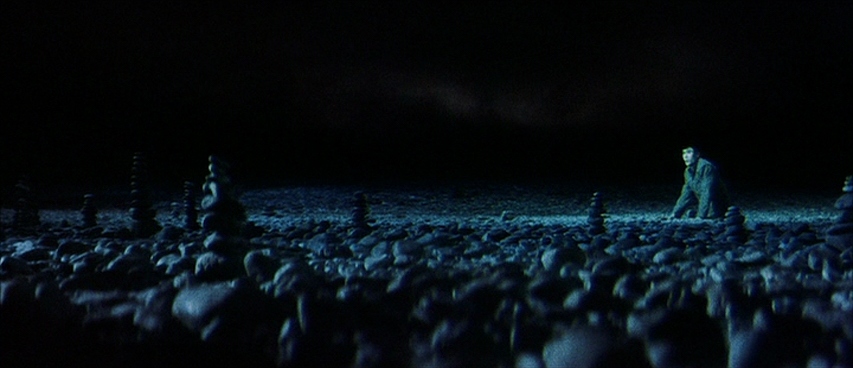
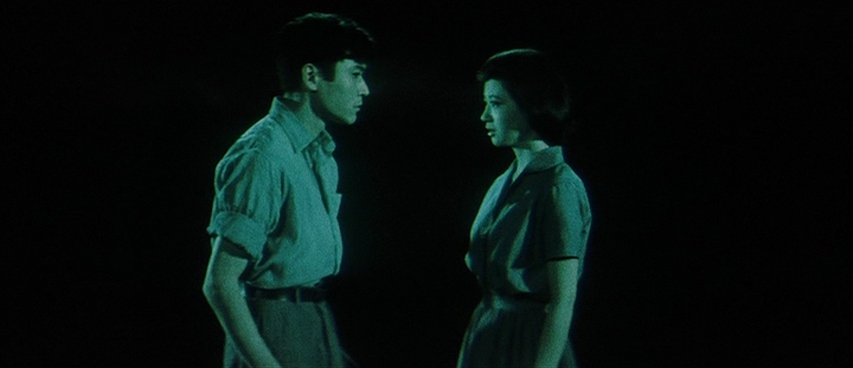
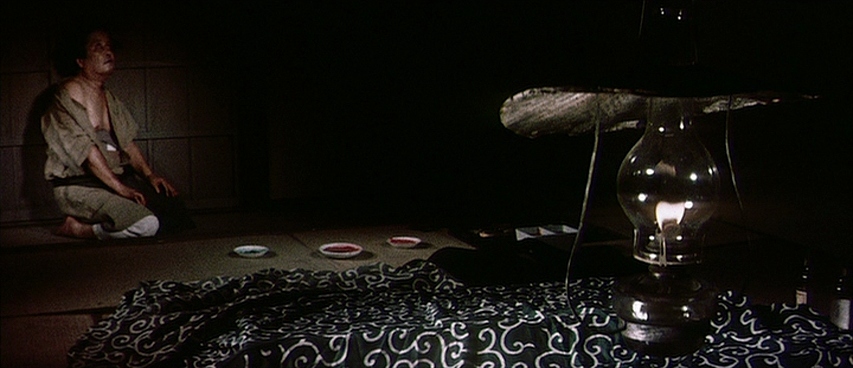
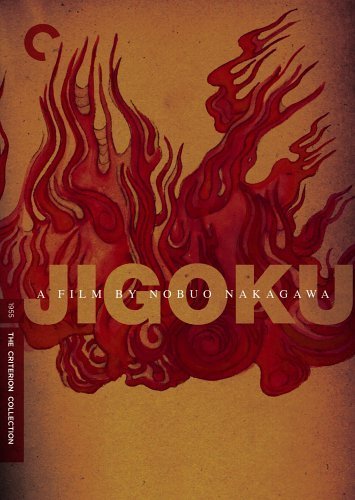
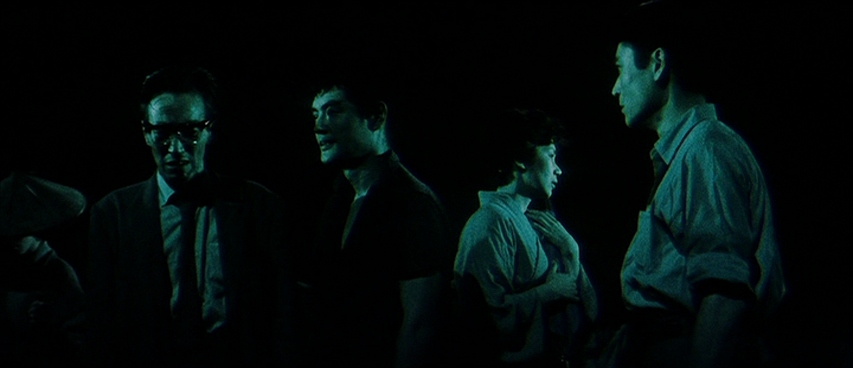
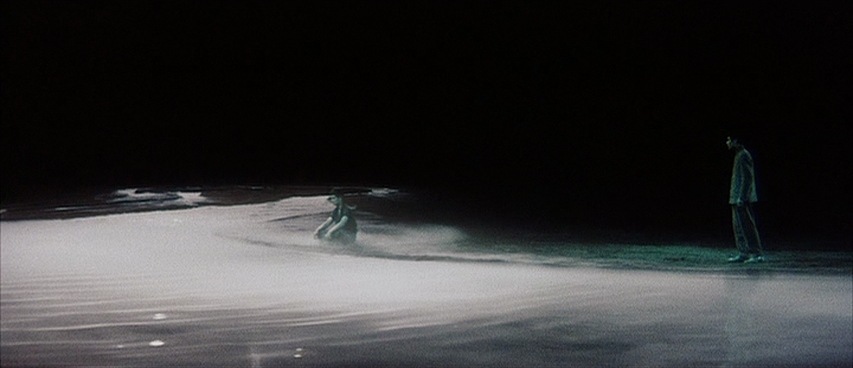
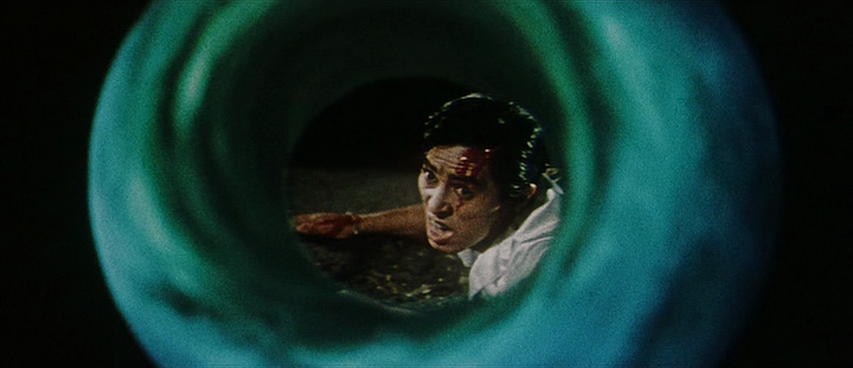
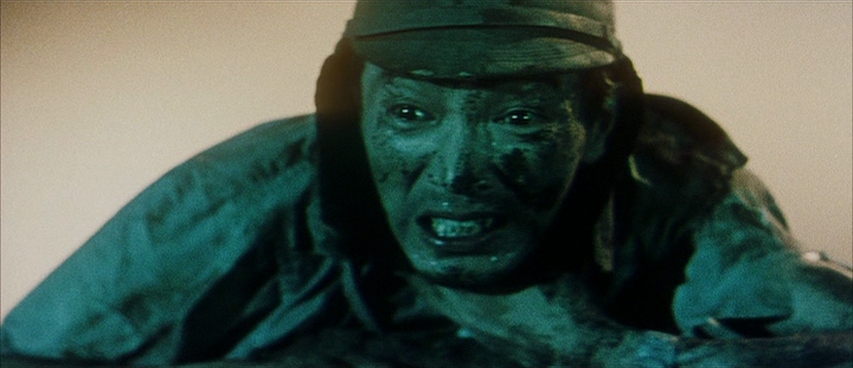
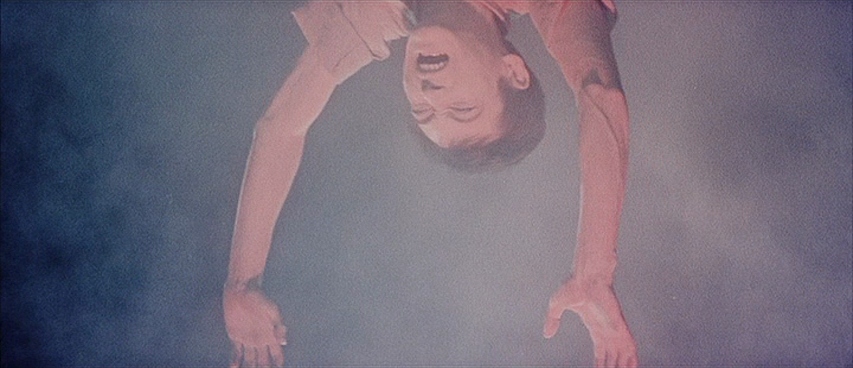
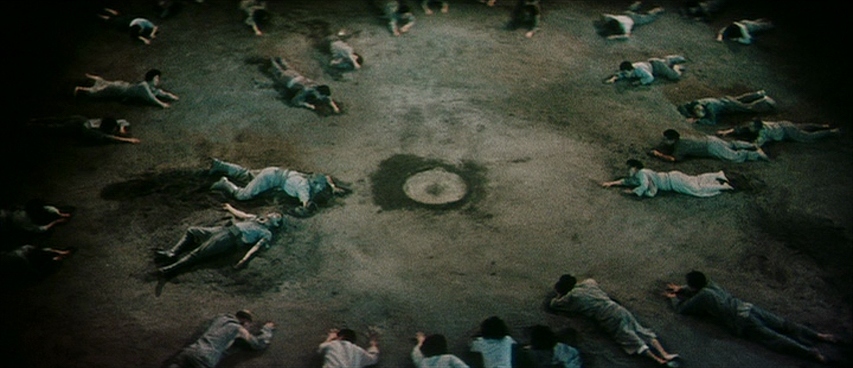
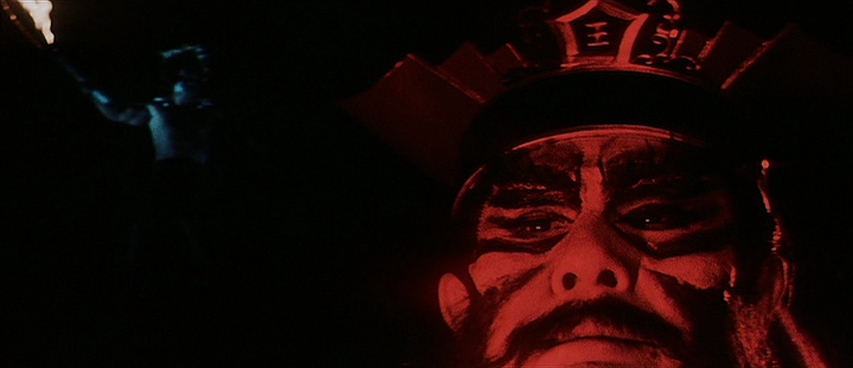
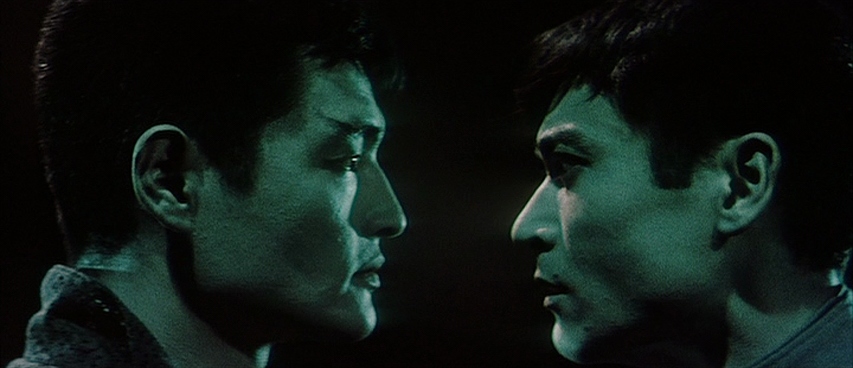
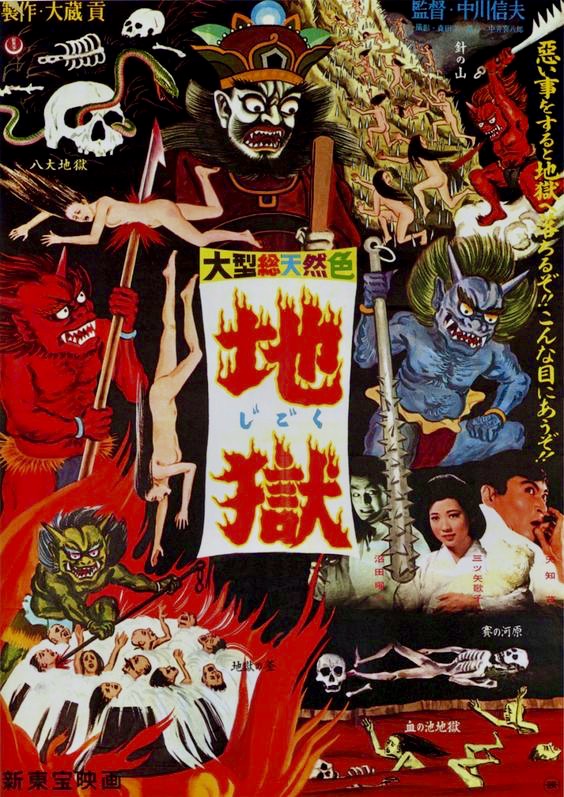
Shocking, outrageous, and poetic, Jigoku (Hell, a.k.a. The Sinners of Hell) is the most innovative creation from Nobuo Nakagawa, the father of the Japanese horror film. The movie tells the stories of a group of sinners involved in interconnected tales of murder, revenge, deceit and adultery all who meet at the Gates of Hell.
Shocking, outrageous, and poetic, Jigoku (Hell, a.k.a. The Sinners of Hell) is the most innovative creation from Nobuo Nakagawa, the father of the Japanese horror film. The movie tells the stories of a group of sinners involved in interconnected tales of murder, revenge, deceit and adultery all who meet at the Gates of Hell.
Actors:
Tomohiko Ôtani,
 Kazuki Nishi,
Shinji Suzuki,
Minoru Miyake,
Takashi Yamaguchi,
Katsuzô Kitamura,
Rei Ishikawa,
Yôzô Takamura,
Kanjûrô Arashi,
Hiroshi Izumida,
Jun Ôtomo
...»
Kazuki Nishi,
Shinji Suzuki,
Minoru Miyake,
Takashi Yamaguchi,
Katsuzô Kitamura,
Rei Ishikawa,
Yôzô Takamura,
Kanjûrô Arashi,
Hiroshi Izumida,
Jun Ôtomo
...»

Tomohiko Ôtani
Kazuki Nishi
Shinji Suzuki
Minoru Miyake
Takashi Yamaguchi
17 November 1936, Hyogo, Japan
Katsuzô Kitamura
Rei Ishikawa
Yôzô Takamura
Kanjûrô Arashi
December 8, 1903 in Kyoto, Japan
Hiroshi Izumida
Jun Ôtomo
Country:
Japan

COMMENTS (0)
Sort by
Newest
Newest
Oldest

YOU MAY ALSO LIKE
![Cure (1997) [Sub: Eng]](https://static.real-123movies.com/static/images/weWxAGYHj2uMKoP1PktzPBjINrUhIW3SFCGVPInGqBcjb3XEnvRCs12eD4pVI8oZ_8JIUmvVLe-SCTOqWysQu2LnDZI-cnUBAbFx1T0Swp8.jpg)

![Onibaba [Audio: Japanese]](https://static.real-123movies.com/static/images/gA_r7TwHgjoymc_LSxVogj0BbcmbWzqoFMn0MwCXfTuRErHt2l0FBCRMbzd6dFeA4ej4_Ar00rwjh9kEDz0WFVI4wfoRG7xUb_-g1iF4urXfsm9I7_FJ79gKZ9x3b5yU.jpg)



November 18, 2006
Shot mostly on bare studio sets with a lighting style even more theatrical than the acting, it feels like a weird piece of fringe theatre in three acts.
November 15, 2006
[Director Nobou] Nakagawa dazzles with his stunningly erotic-grotesque visualization of his interpretation of the lower depths.
July 10, 2007
the film's bleak portrayal of sin and (maybe) redemption is easily adapted to any time, even if Nakagawa's particular version is unimaginable in any decade but the Sixties.