Something went wrong
Try again later.


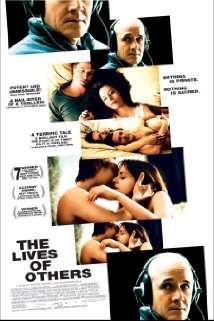
The Lives of Others
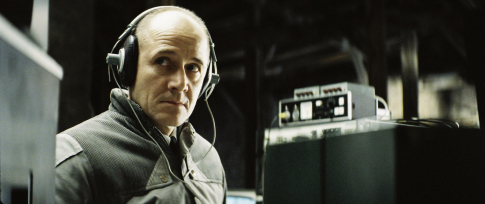
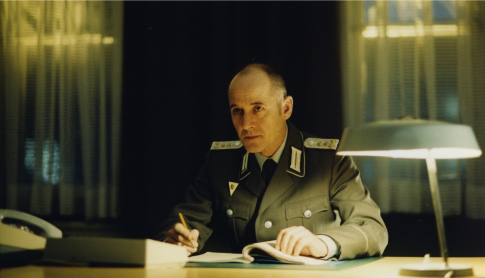
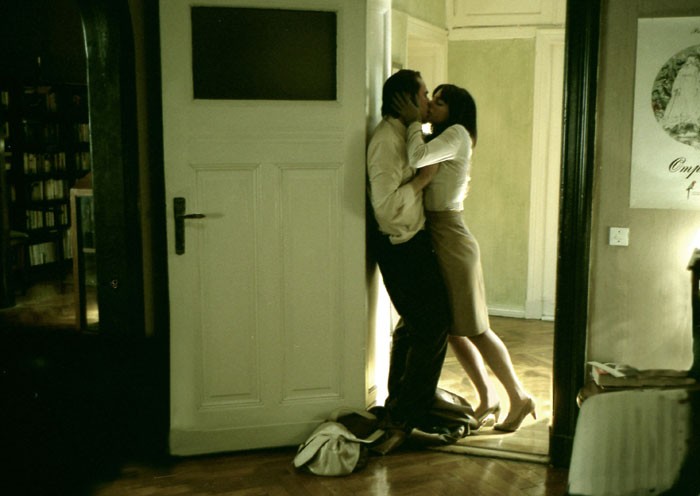
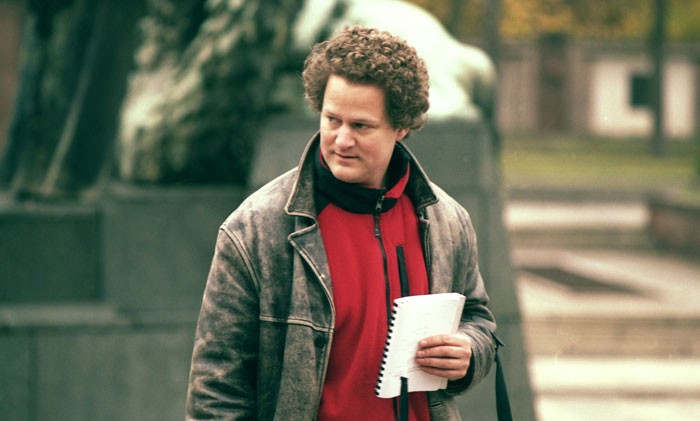
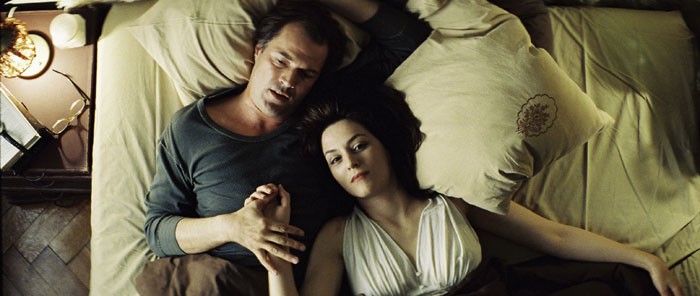
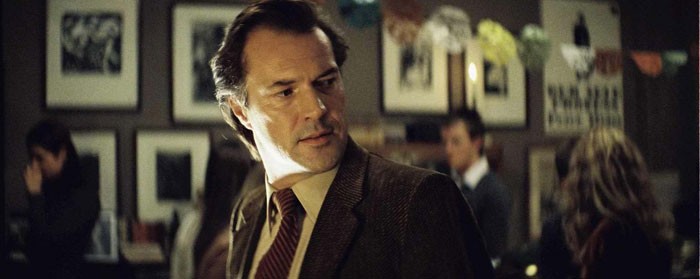
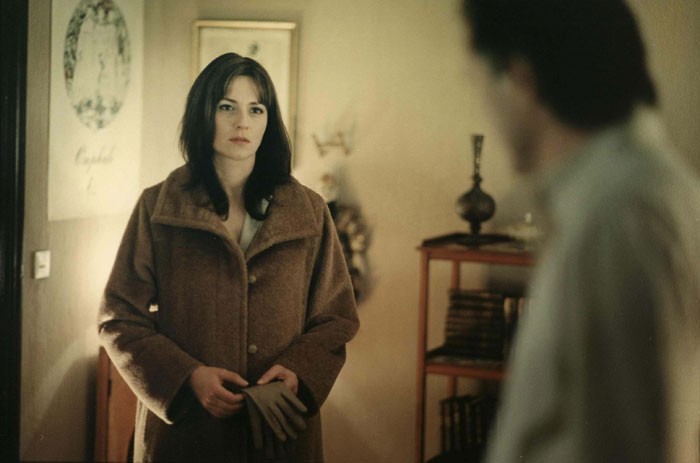
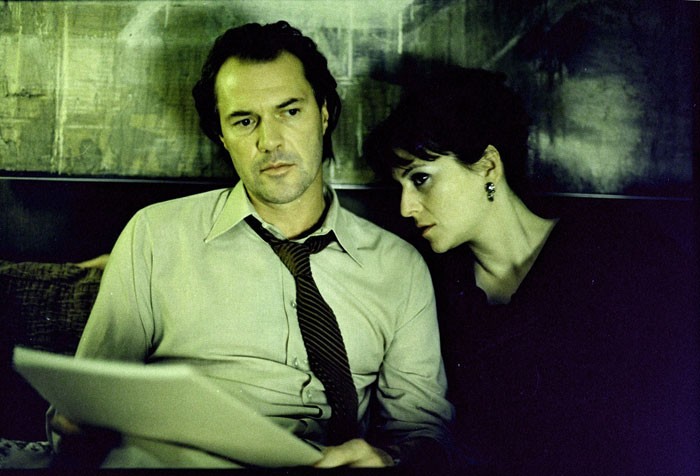
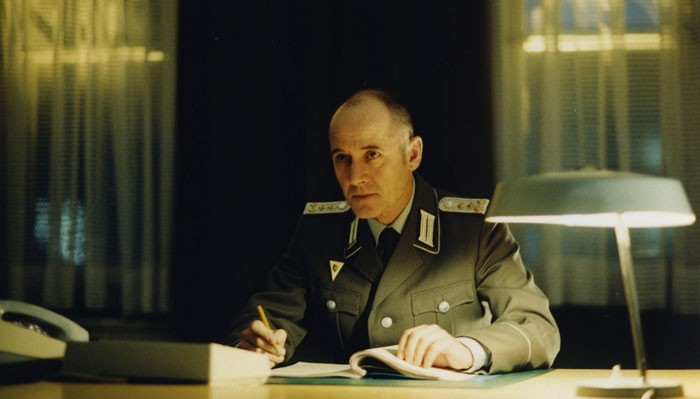
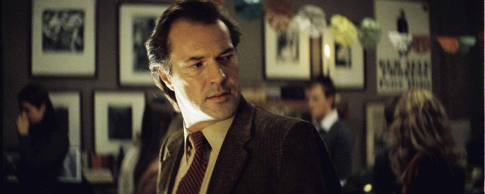
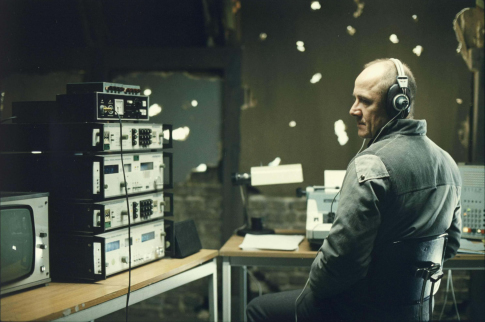
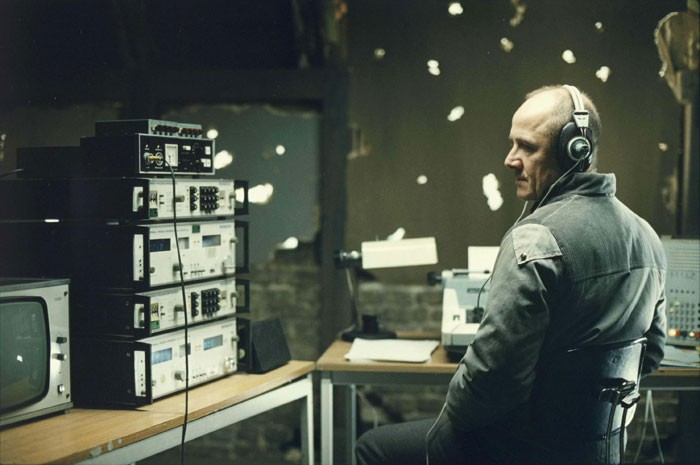
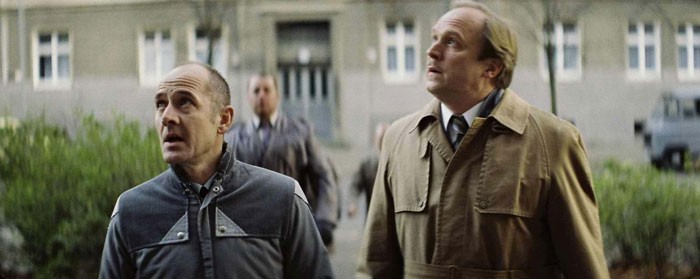
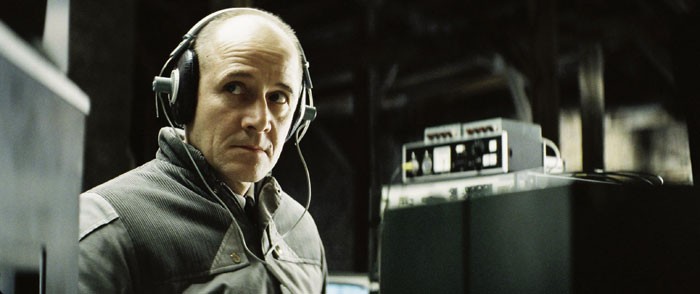
Before the collapse of the Berlin Wall, East Germany's population was closely monitored by the State Secret Police. Gerd Wiesler, an agent of the Stasi, the East German Secret Police, conducting surveillance on a writer and his lover, finds himself becoming increasingly absorbed by their lives.



![Oldboy (Oldeuboi) [Sub: Eng]](https://static.real-123movies.com/static/images/aqFJdPTYfCMybbfdZRScqVf64iv9E0N6p3PSO98rvNQnwAm4LJ1RyyRb0GhHgBveYpKmm0dZzCe40YJgcySB8tkB06jeKyo4bWYoCw4AA8c.jpg)

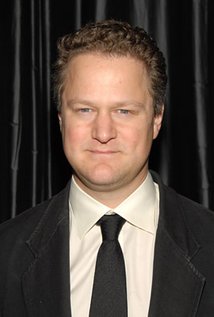


11 June 1955, Wuppertal, Germany
1957, Munich, Bavaria, Germany
29 September 1964, Berlin, Germany
10 February 1943, Germany
3 December 1982, Berlin, Germany
1967, Dresden, German Democratic Republic
30 November 1974, Rostock, German Democratic Republic

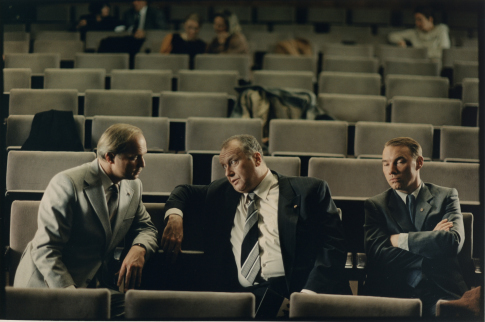




June 09, 2008
Although Henckel von Donnersmarck has a number of genuinely good ideas ... the film is marred by redundancy, indecision and clumsiness.
March 02, 2007
Few would deny that The Lives of Others is true to its self, and in its depiction of human nature -- and human spirit.
September 21, 2007
The Lives of Others is a powerful but quiet film, constructed of hidden thoughts and secret desires.
August 05, 2011
The scope is especially impressive given that the movie is about a society obsessively focused on the tiniest of details.
March 02, 2007
Its suspense builds on the fragile and nuanced business of emotional rebirth.
September 19, 2010
Activism proves tough on people who've thrived at their political patrons' blessings, and one character cruelly chooses a path of least resistance when the chips are down. A cataclysmic conclusion depicts political clamps on expression and emotion.
March 02, 2007
Watch it, and you may get the feeling it's also watching you.
August 24, 2009
If the filmmaker commits a crime, it's in pushing the [Stasi] character's rehabilitation slightly too far--about as much as the weight of a teardrop.
March 02, 2007
A political thriller that's consistently as inventive as it is creepy.
June 24, 2008
A truly unforgettable movie.
September 26, 2014
Reopens our eyes to the cruelties and soul assassinations that were carried out daily in the name of state socialism.
March 16, 2007
Florian Henckel von Donnersmarck's film is a melodrama in a minor key, quietly affecting, quietly chilling, quietly quiet. It captures the drab architecture of totalitarianism, the soul-dead buildings of a soul-dead state.